Where photography becomes art—and artists become masters.
The moment you step into Cedar Valley View, the air hums with possibility. The scent of warm oak floors mingles with the faint ozone tang of strobe lights cooling down. This is where commercial campaigns are born, where love stories are captured in a single, breath-held frame. Our journal is your backstage pass: the techniques we swear by, the failures that taught us everything, and the quiet moments between the shots that make the work sing. Whether you're a seasoned pro or a curious beginner, these pages will change how you see light—and how you tell stories with it.
This week’s deep dive into the craft we can’t stop thinking about.
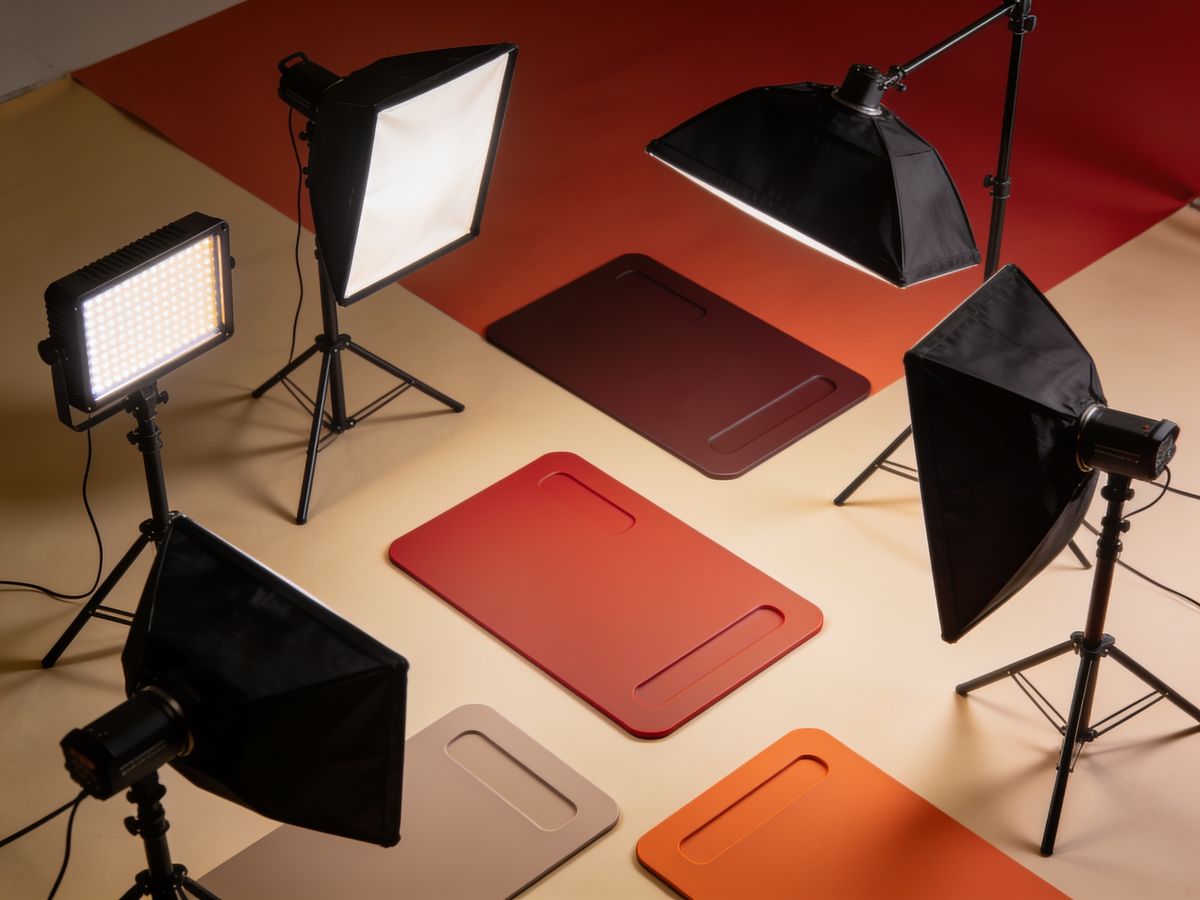
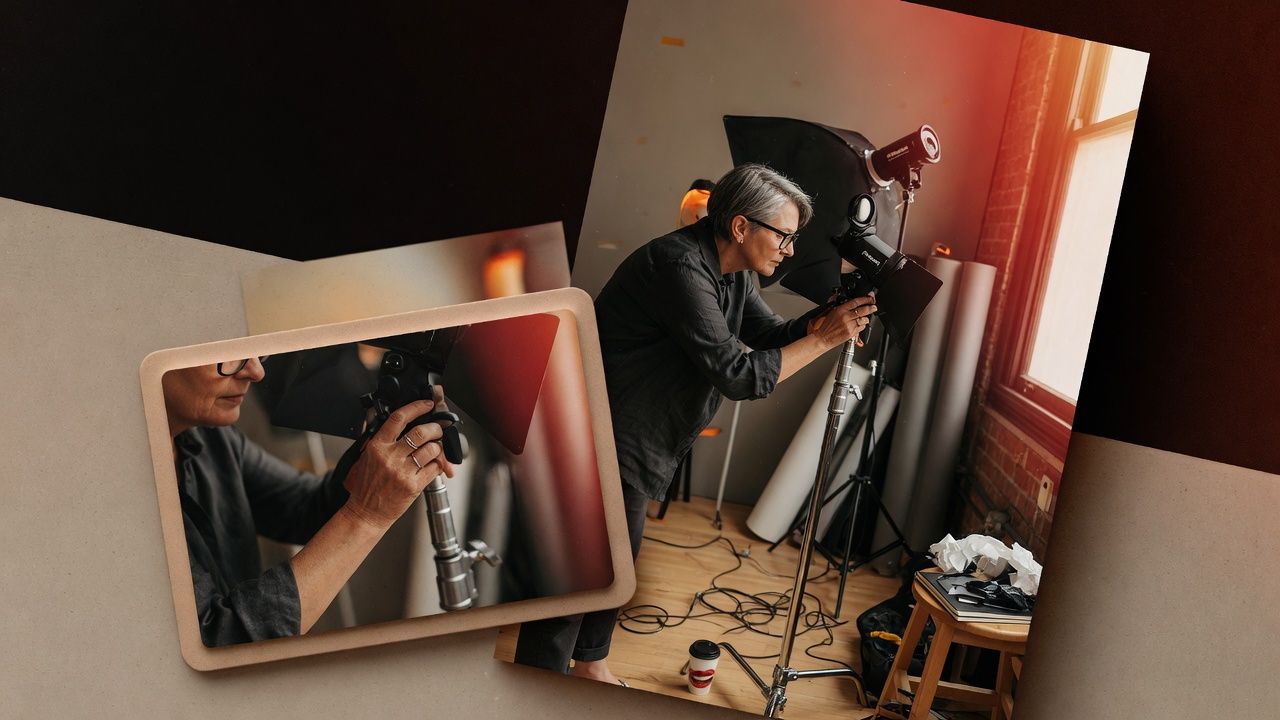
When The New York Times called with a brief to capture the ‘weight of stillness,’ we knew we’d need more than softboxes. This is the story of how we built a custom 8x8ft diffusion panel from hand-stretched muslin, why we chose a 1960s-era Profoto Pro-10 pack over modern monolights, and how a single, razor-sharp shadow turned a portrait session into a meditation on time. Includes our exact lighting diagram, gear list, and the one mistake we’ll never make again.
Read the full storyFilter our journal by what moves you—technique, business, or the quiet art of seeing.
From Rembrandt lighting to the perfect white seamless setup, these are the techniques we use daily in our Cedar Valley spaces. Learn how to shape light like a sculptor, with exact modifier specs and placement diagrams for every scenario.
How to price your work, negotiate with agencies, and build a portfolio that lands $20K campaigns. Real contracts, email templates, and the numbers behind our most profitable shoots—no fluff, just the spreadsheets.
The unfiltered truth about what happens before the shutter clicks. From the 3AM call time for a sunrise product shoot to the last-minute prop swaps that saved a campaign, these are the stories that don’t make the portfolio.
Why we chose the Phase One XF IQ4 over the Hasselblad H6D for our commercial work. The exact grip setup we use for handheld beauty shots. And the one $20 accessory that fixes 90% of our lighting problems—no, it’s not a $2,000 modifier.
How we turned a last-minute request from Patagonia into a 3-day shoot that went viral. The creative brief that launched a 10-year relationship with a luxury skincare brand. These are the collaborations that define our work—and how you can build the same trust with your clients.
The mood boards, the failed concepts, and the ‘aha’ moments that happen in the quiet hours before a shoot. Includes our exact pre-production checklist, shot list templates, and the one question we ask every client before we start.
Fresh perspectives on photography, lighting, and the business of making images that matter.
The culprit isn’t your camera settings—it’s your light placement. We’ll show you how to measure your background’s luminance with a Sekonic L-758D, why a 2-stop difference between subject and background is the golden rule, and how to salvage a gray seamless in post with a single Curves adjustment in Capture One. Includes a free LUT for perfect white balance every time.
You don’t need a $50K Profoto setup to create pro-level product images. Here’s the exact gear we use for e-commerce clients on a budget: a Godox AD600Pro with a 36" deep octa, a $99 foam board reflector, and a $250 Manfrotto 1051BAC stand that never sags. Plus, the one modifier we’d splurge on if we had to choose just one.
When a last-minute client requested a full beauty campaign with 12 looks, we had two choices: panic or streamline. Here’s the exact timeline we used to pull it off, from the 15-minute pre-light to the 3-minute wardrobe changes that saved the day. Includes our shot list template and the one tool that kept the team on track (hint: it’s not a shot timer).
When we raised our rates from $1,500 to $4,500 per day, we didn’t lose a single client—we attracted better ones. Here’s how we positioned the change, the exact email template we used to communicate it, and the three questions we now ask every lead to qualify them before they book. Includes our current rate card and the one metric we track to know when it’s time to raise prices again.
After a decade of swearing by Capture One, we made the switch to Lightroom for 80% of our workflow. Here’s why: the AI masking tools that cut our retouching time in half, the seamless integration with our Adobe Creative Cloud suite, and the one feature Capture One still can’t beat (hint: it’s not color grading). Plus, our exact Lightroom preset for skin tones that look natural, not plastic.
‘What does success look like for you?’ It’s the simplest question we ask, but it’s the one that’s built our 10-year relationship with brands like Aesop and REI. Here’s how to use it in your first client call, the follow-up questions that uncover hidden expectations, and how to turn a vague answer into a concrete creative brief. Includes our free template for client onboarding emails.
Search our journal by keyword, topic, or author.
Looking for something specific? Use the search bar below to filter our articles by keyword, category, or author. Whether you’re troubleshooting a lighting setup or researching the best gear for your next shoot, we’ve got you covered.
Our team doesn’t just write about photography—we live it. Here are the faces and stories behind the insights.
Mira’s work has graced the pages of The New York Times, Outside Magazine, and Patagonia’s global campaigns. She’s known for her ability to capture the quiet moments between the shots—the stolen glances, the unguarded laughter, the breath before the leap. When she’s not behind the camera, you’ll find her teaching lighting workshops at Cedar Valley View or hiking the trails of the Pacific Northwest with her rescue dog, Koda. Her signature style? ‘I don’t shoot what things look like. I shoot what they feel like.’
Elias is the mad scientist behind Cedar Valley View’s most complex lighting setups. With a background in electrical engineering and a decade of experience in commercial photography, he’s the reason our studio can pull off everything from a single-light portrait to a 20-light automotive shoot. His superpower? Making technical jargon sound like poetry. When he’s not fine-tuning our gear, he’s restoring vintage cameras or brewing the perfect cup of pour-over coffee in our studio kitchen. His mantra: ‘Light is a tool. Shadows are the art.’
Priya is the bridge between creative vision and client reality. With a background in advertising and a knack for translating abstract briefs into concrete shot lists, she’s the reason our commercial shoots run like clockwork. Her clients include REI, Aesop, and a roster of emerging DTC brands who trust her to make their products look (and feel) irresistible. Outside the studio, she’s an avid urban gardener and the unofficial taste-tester of our studio snack drawer. Her secret weapon? ‘I don’t just listen to what clients say—they listen to what they don’t.’
Daniel is the architect behind Cedar Valley View’s growth—from a one-room studio in 2026 to a 5,000 sq. ft. creative hub in 2026. With a background in operations and a passion for systems, he’s the reason our studio runs smoothly, our clients stay happy, and our team has time to focus on what they do best: creating. When he’s not optimizing our workflows, you’ll find him mentoring emerging photographers or exploring the backroads of the Pacific Northwest on his motorcycle. His philosophy? ‘Great photography starts with great business.’
Have a question or a story of your own? Share it below—we’d love to hear from you.
Our journal is more than just a blog—it’s a conversation. Whether you’ve got a question about a technique, a story to share, or just want to geek out over gear, we’d love to hear from you. Drop a comment below, and join the community of photographers, creatives, and studio owners who make Cedar Valley View more than just a space—it’s a movement.